What Our Experts Think
-
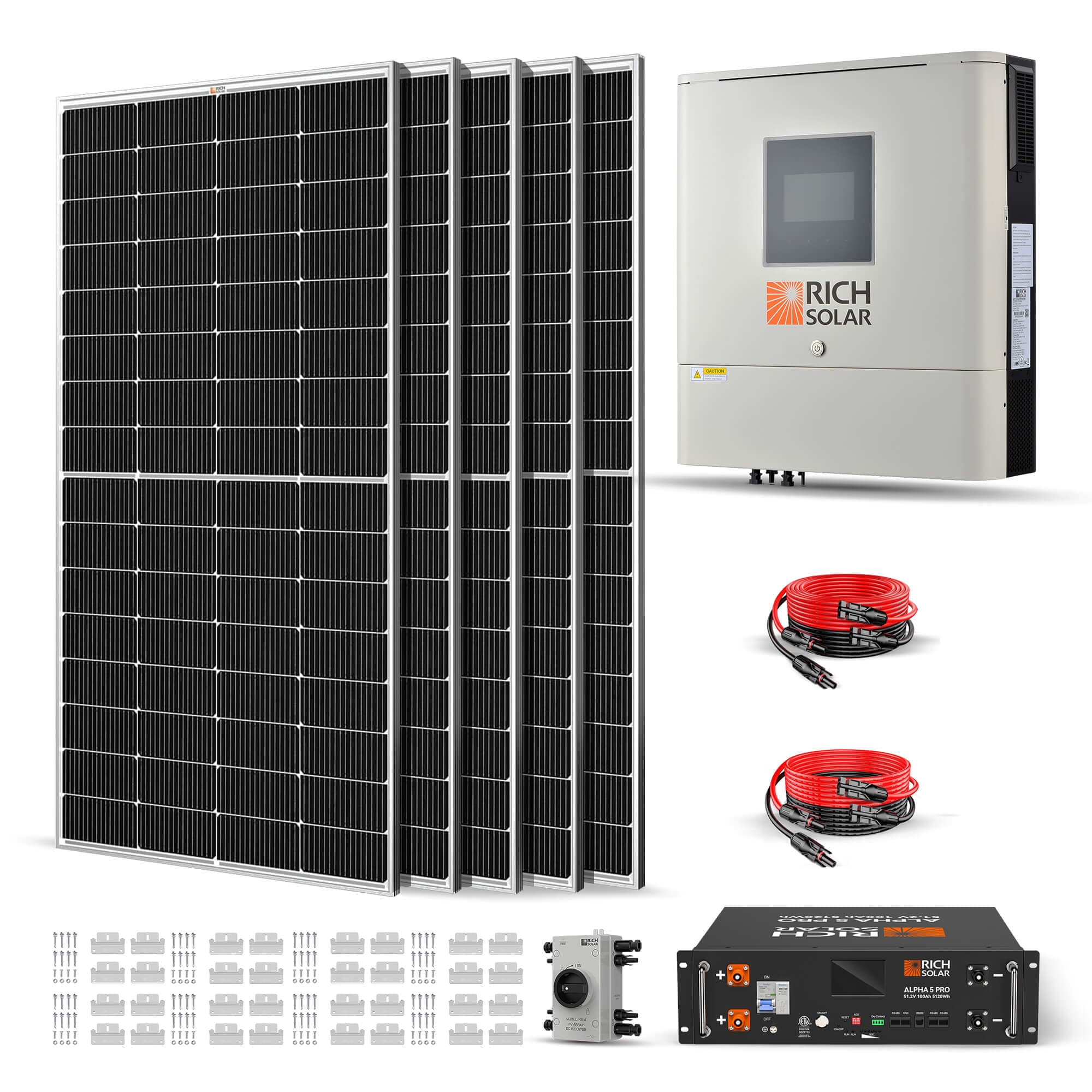
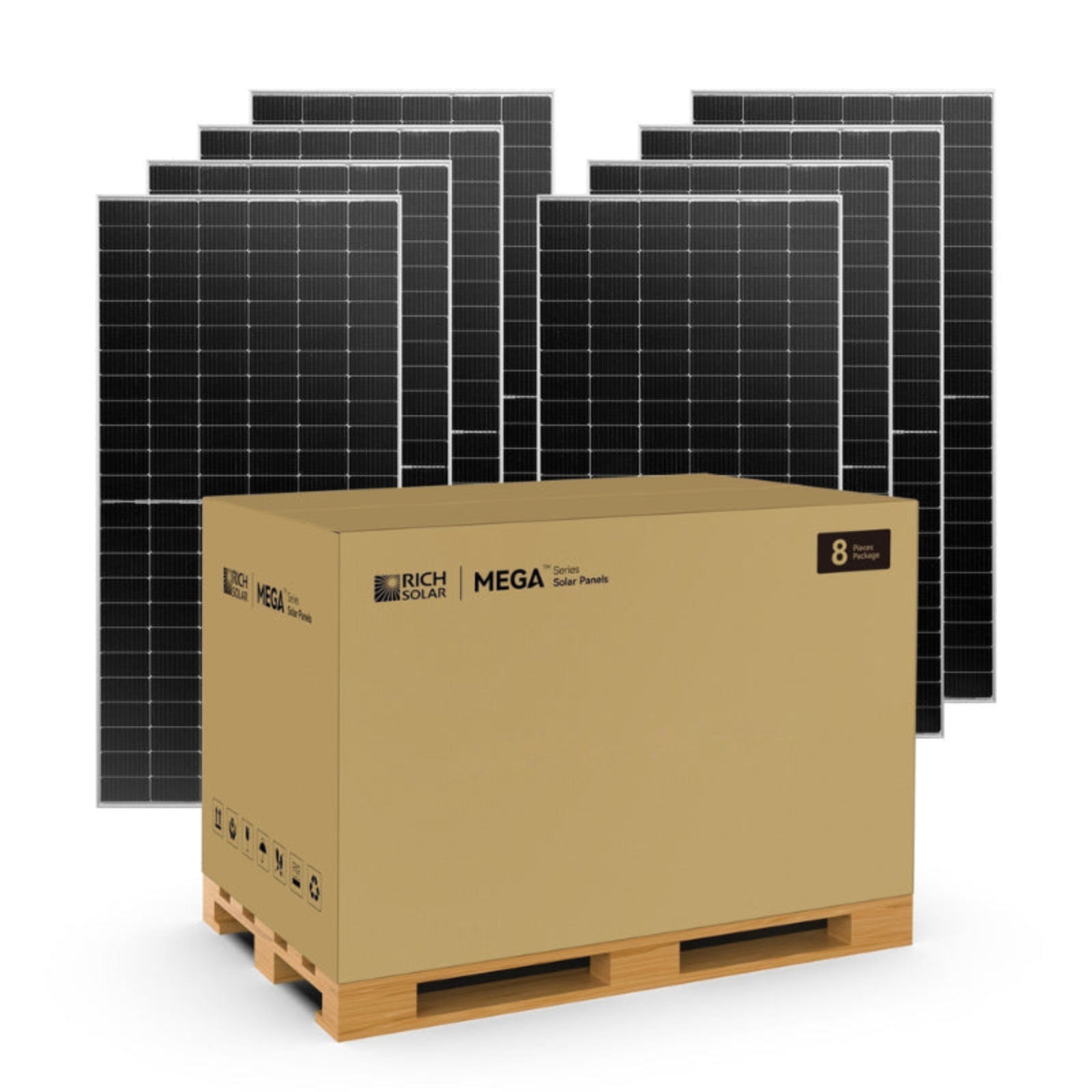
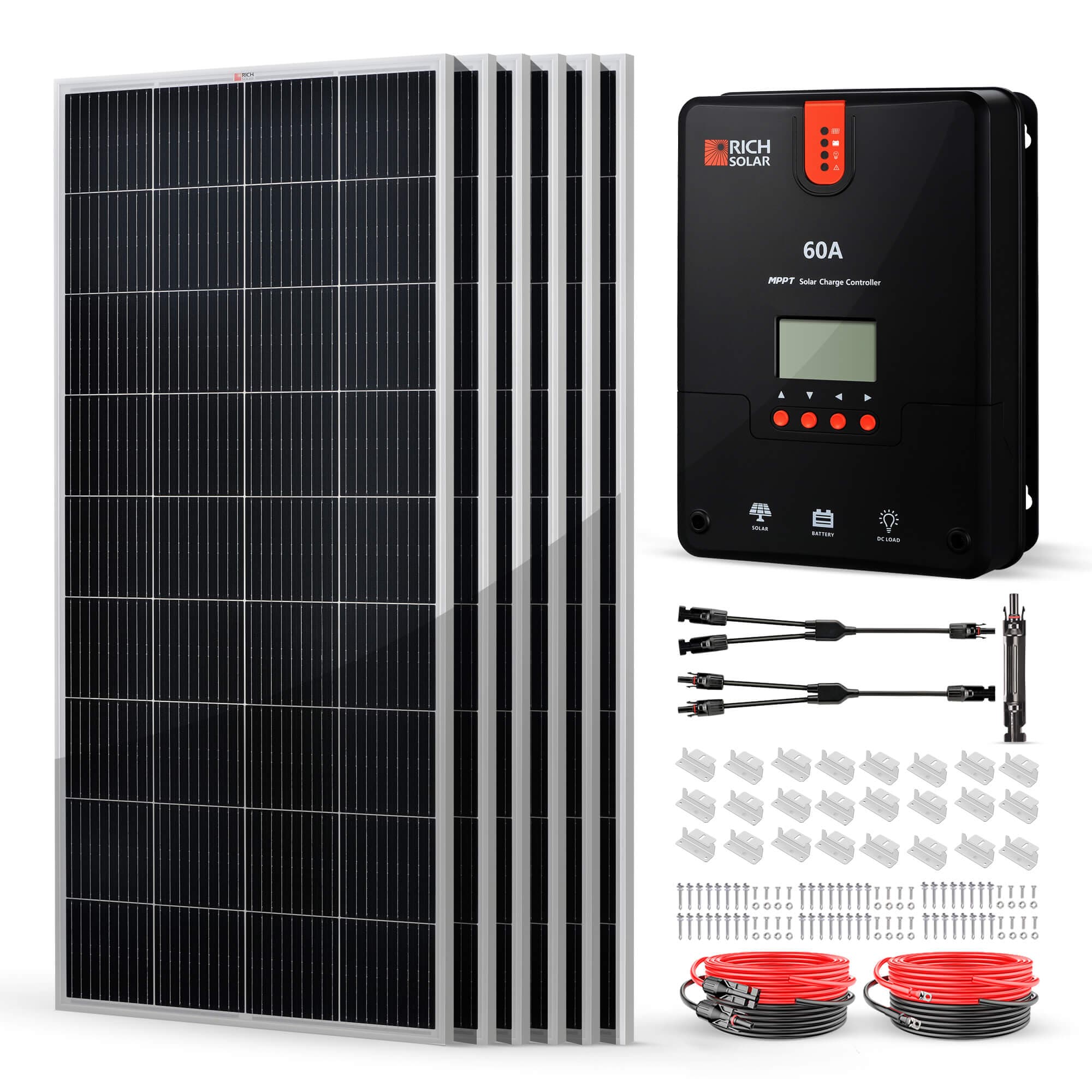
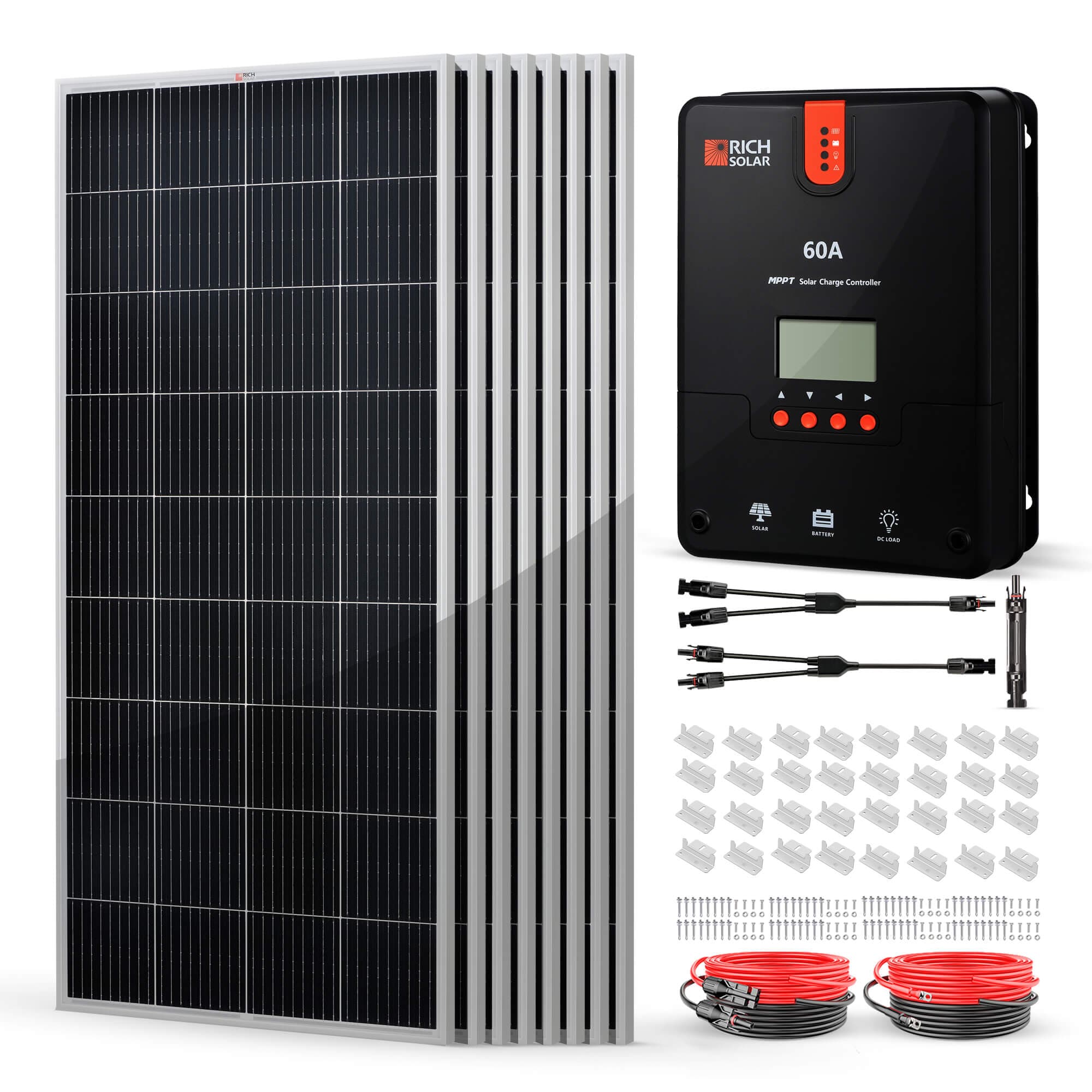
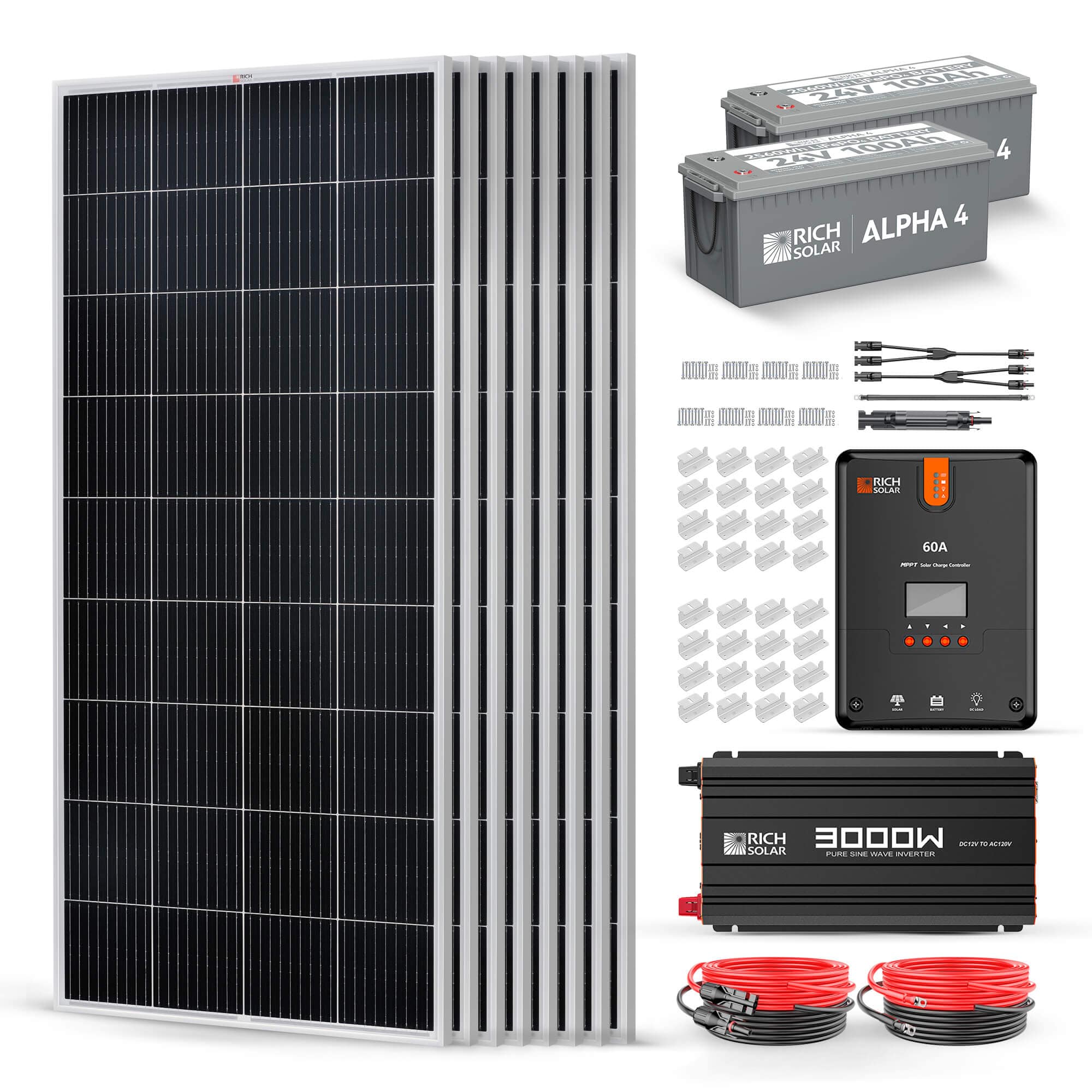
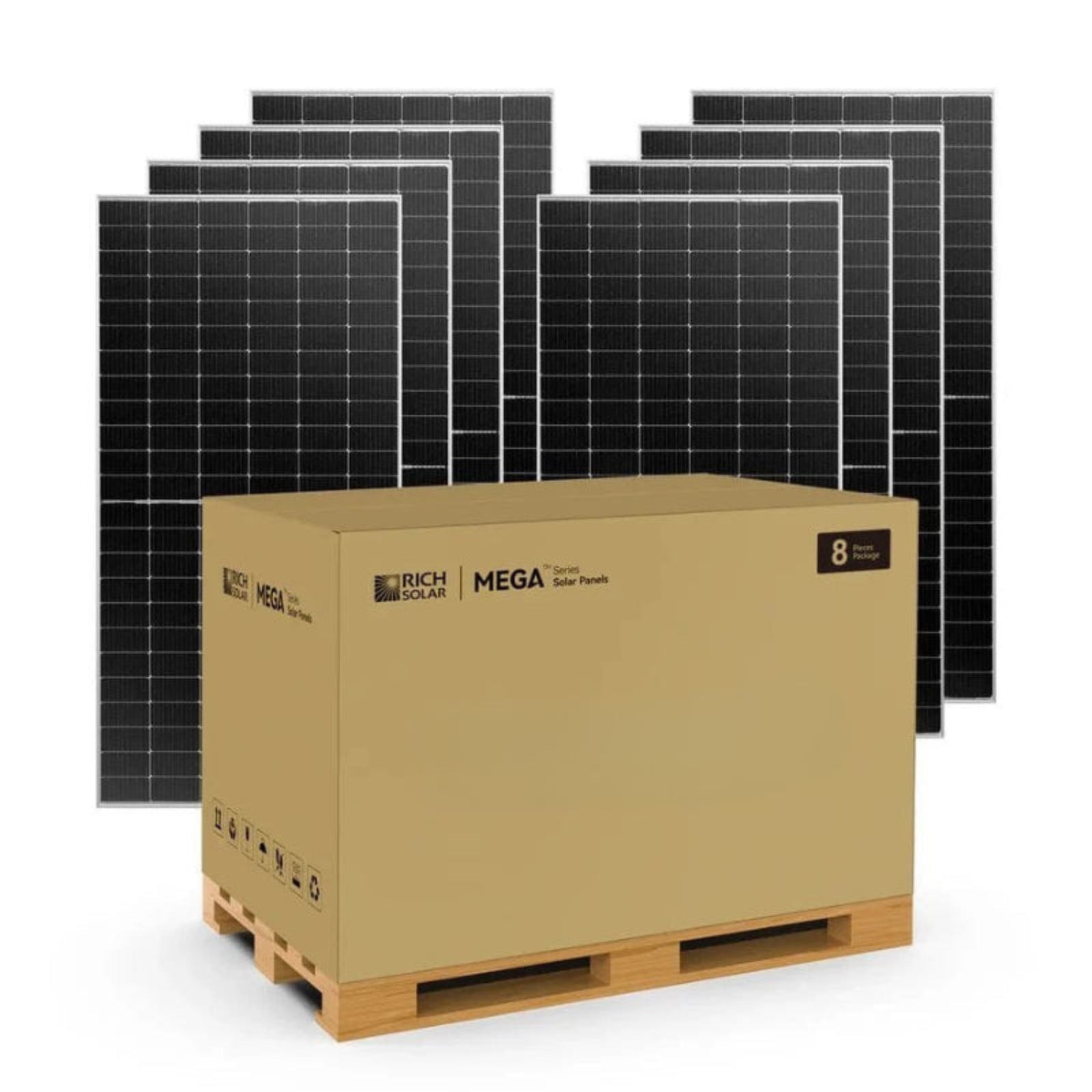
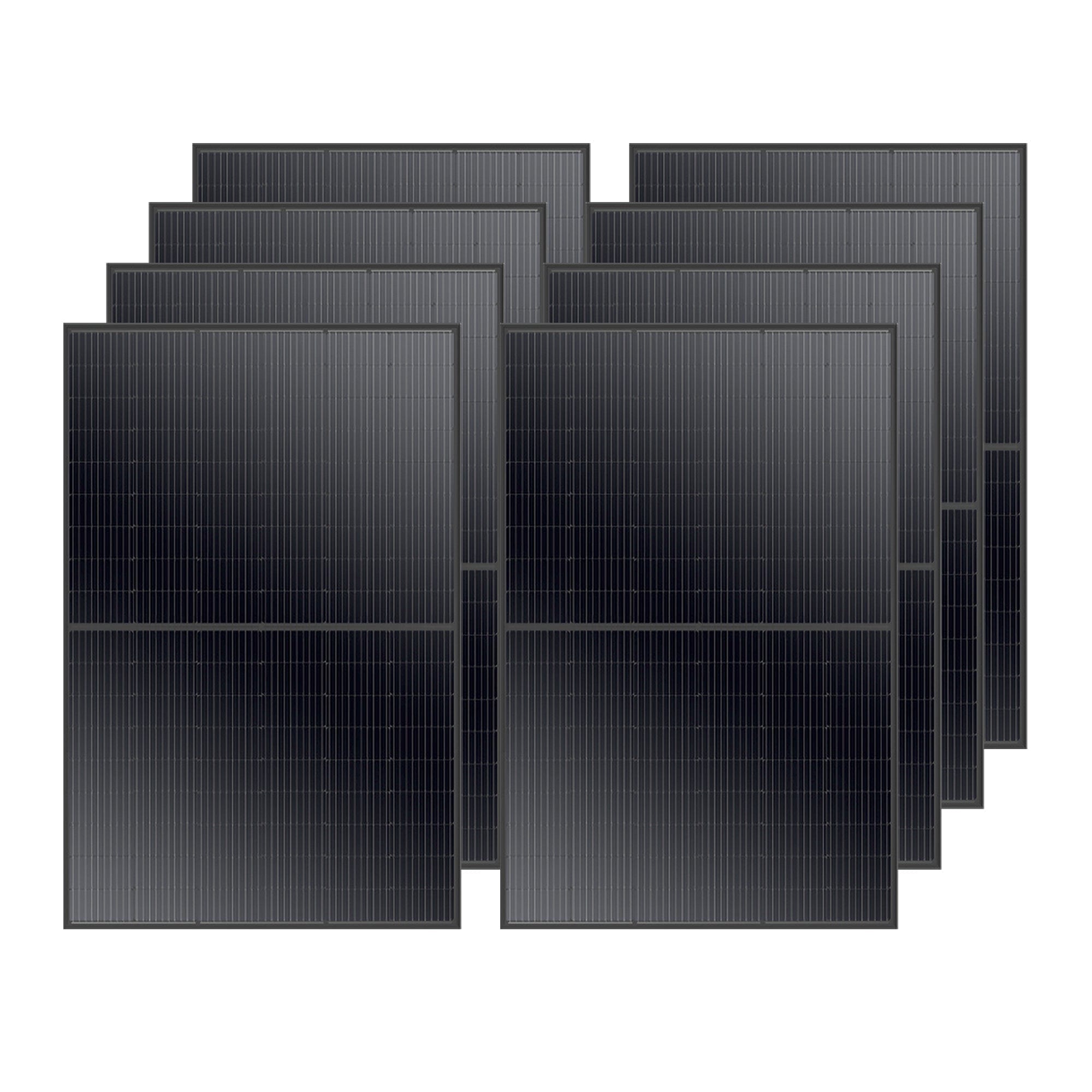
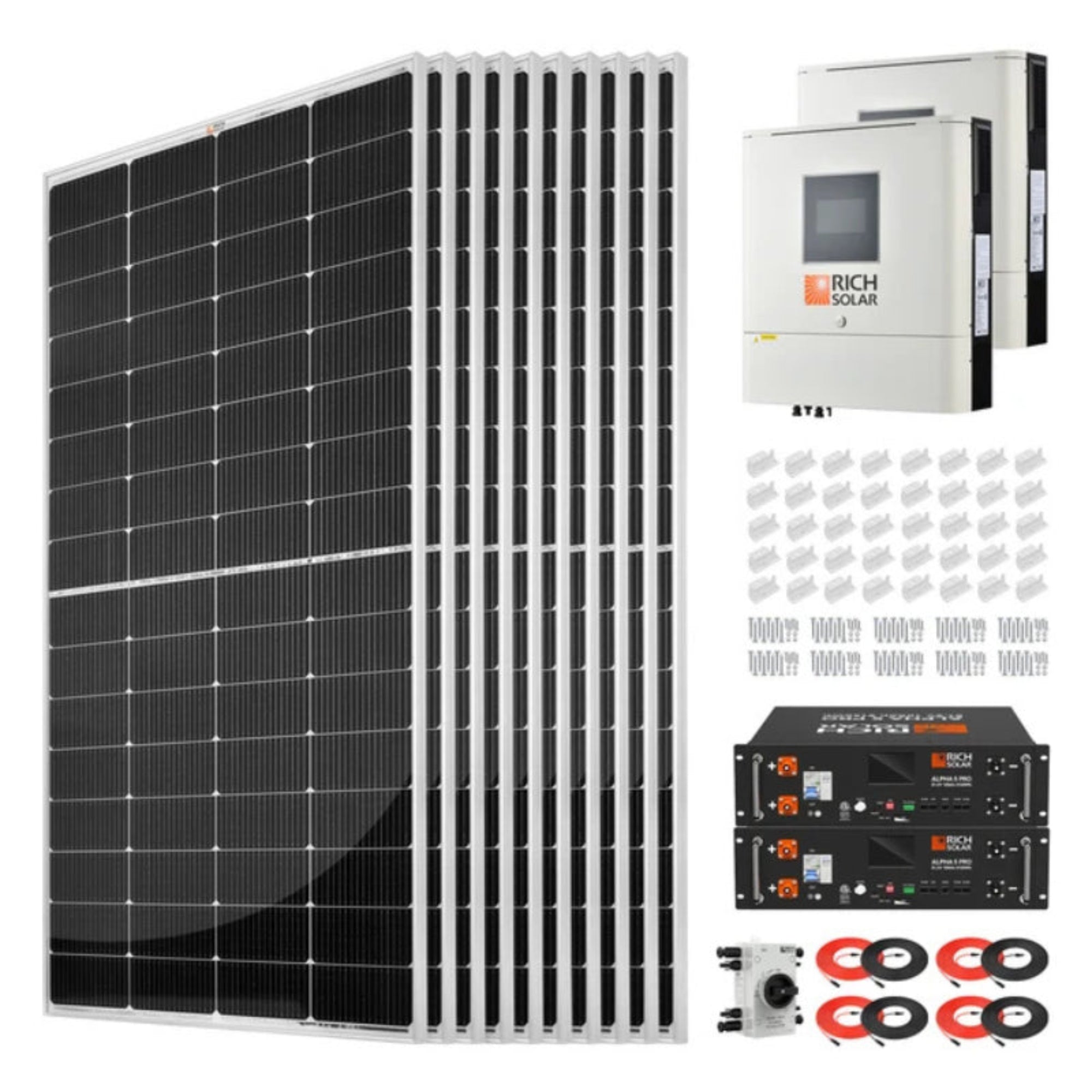
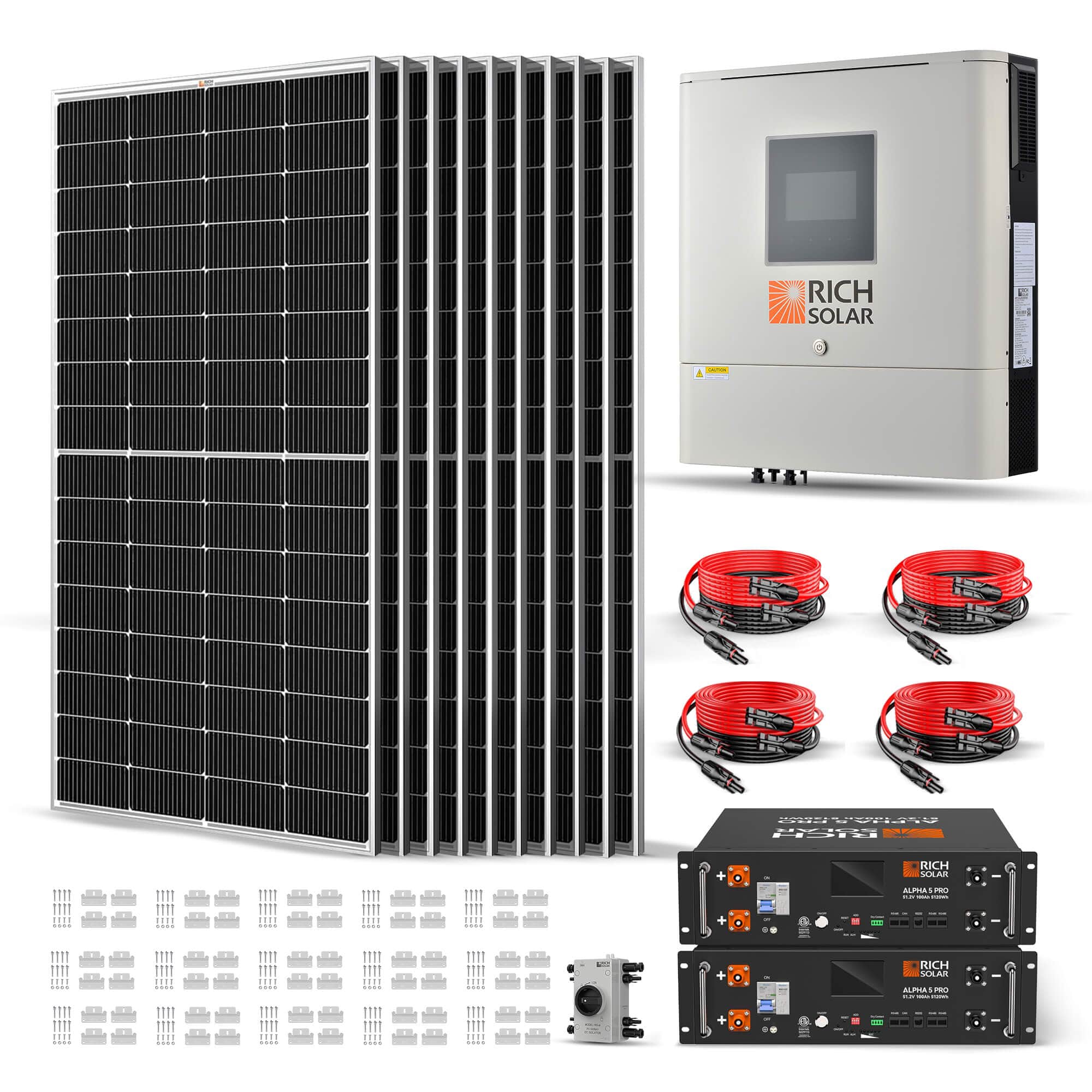
1,600W Monocrystalline Array — Eight 200W panels provide 1.6 kW of combined rated solar output.
-
60A MPPT Charge Controller — The controller tracks the array’s maximum power point as sunlight changes and manages charging for a compatible battery bank.
-
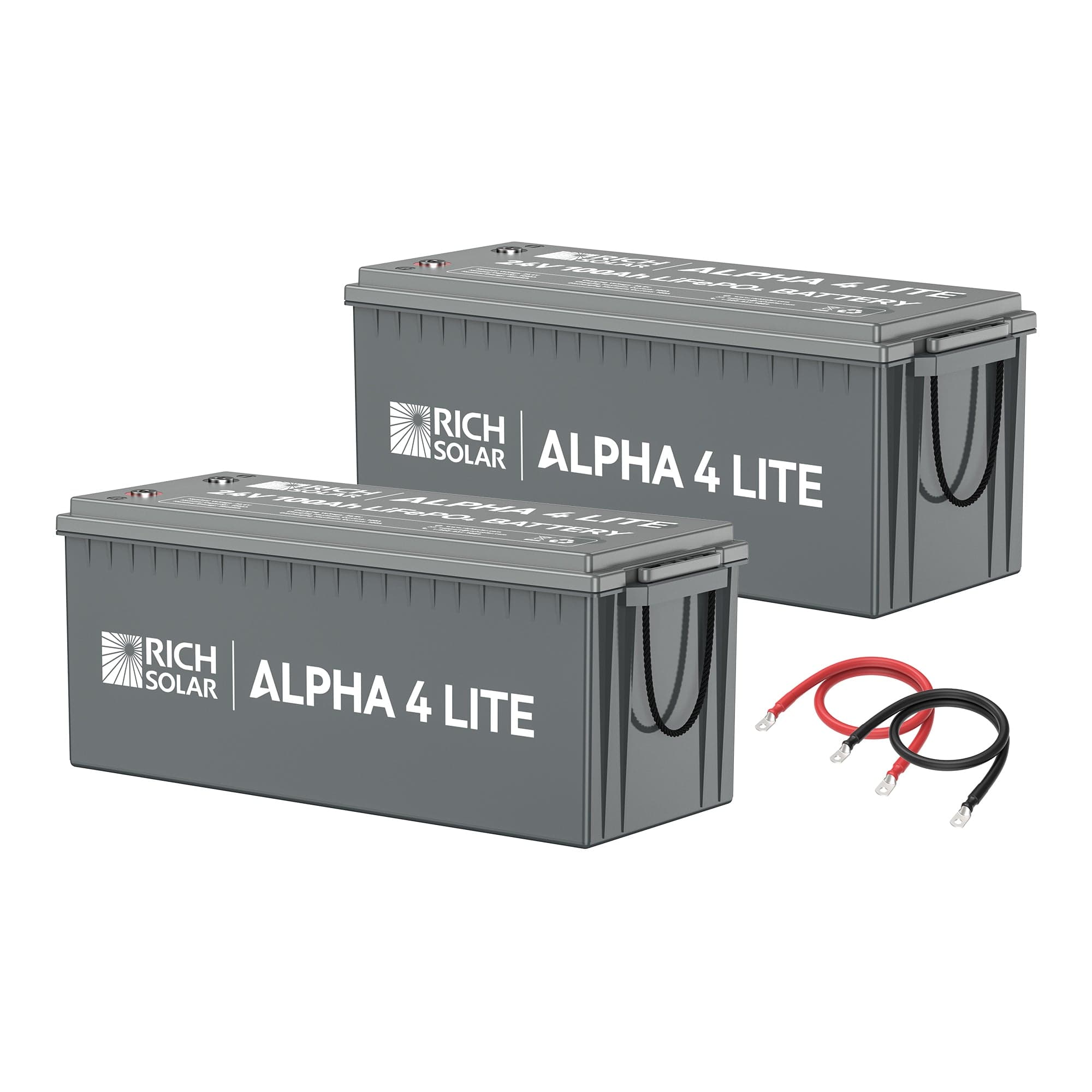
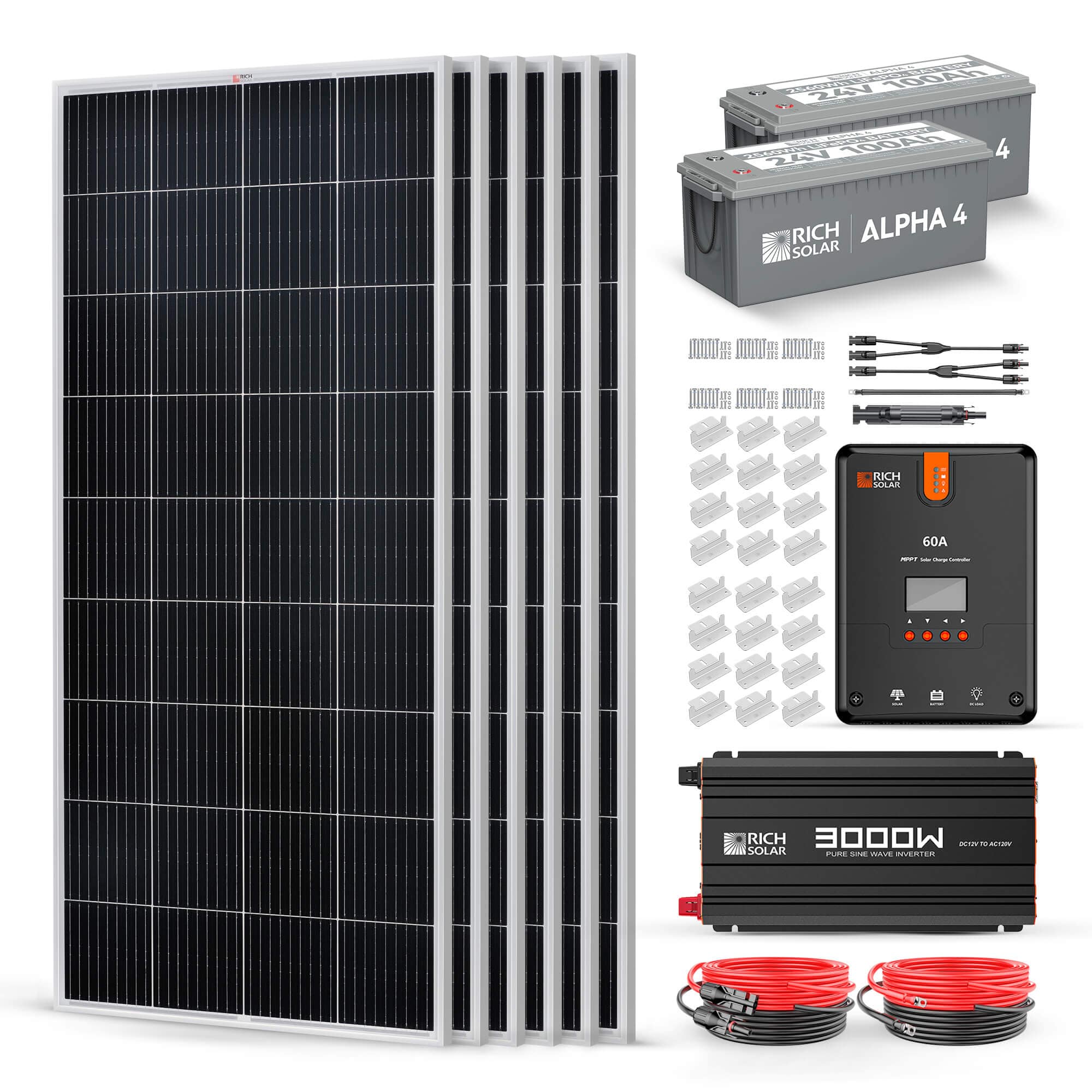
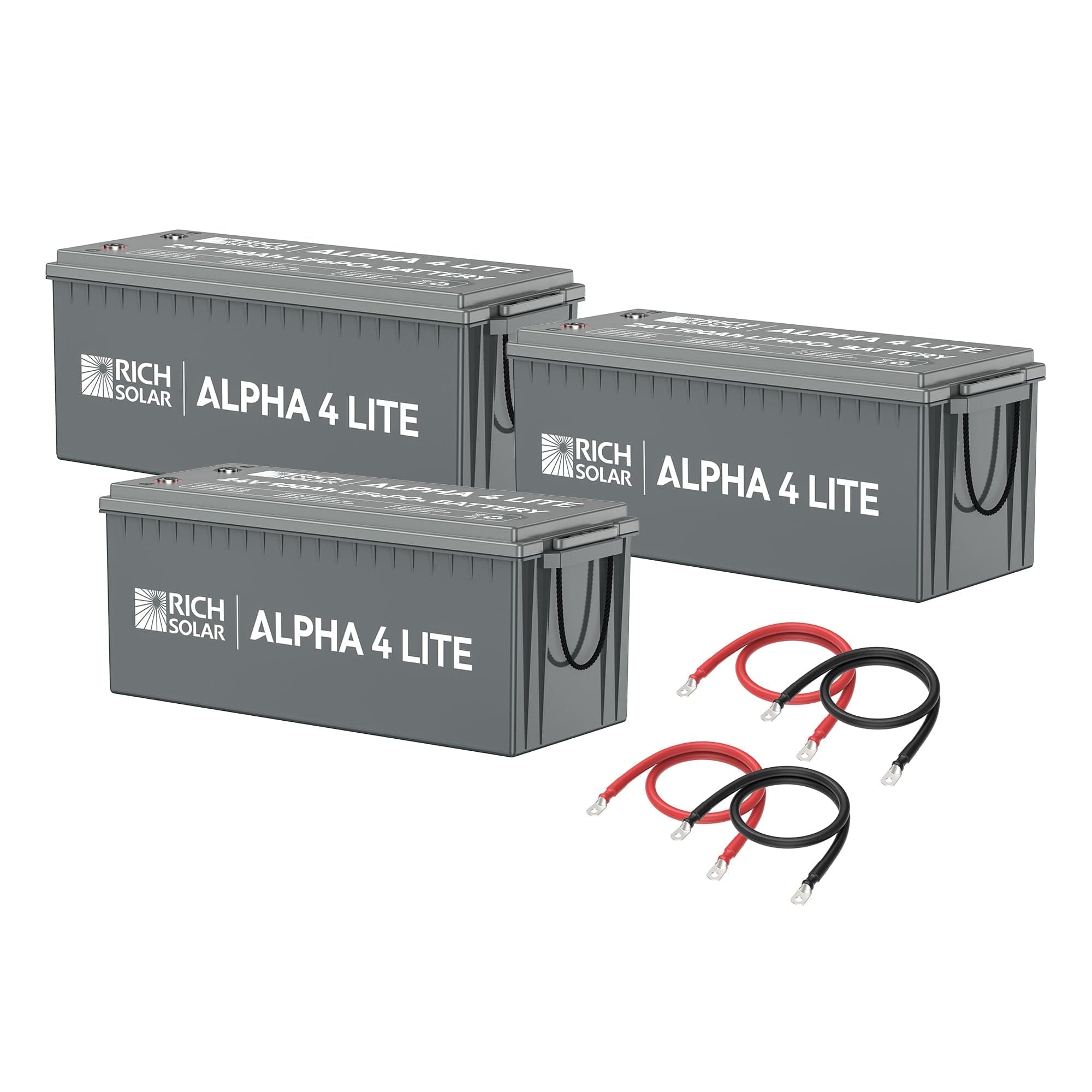
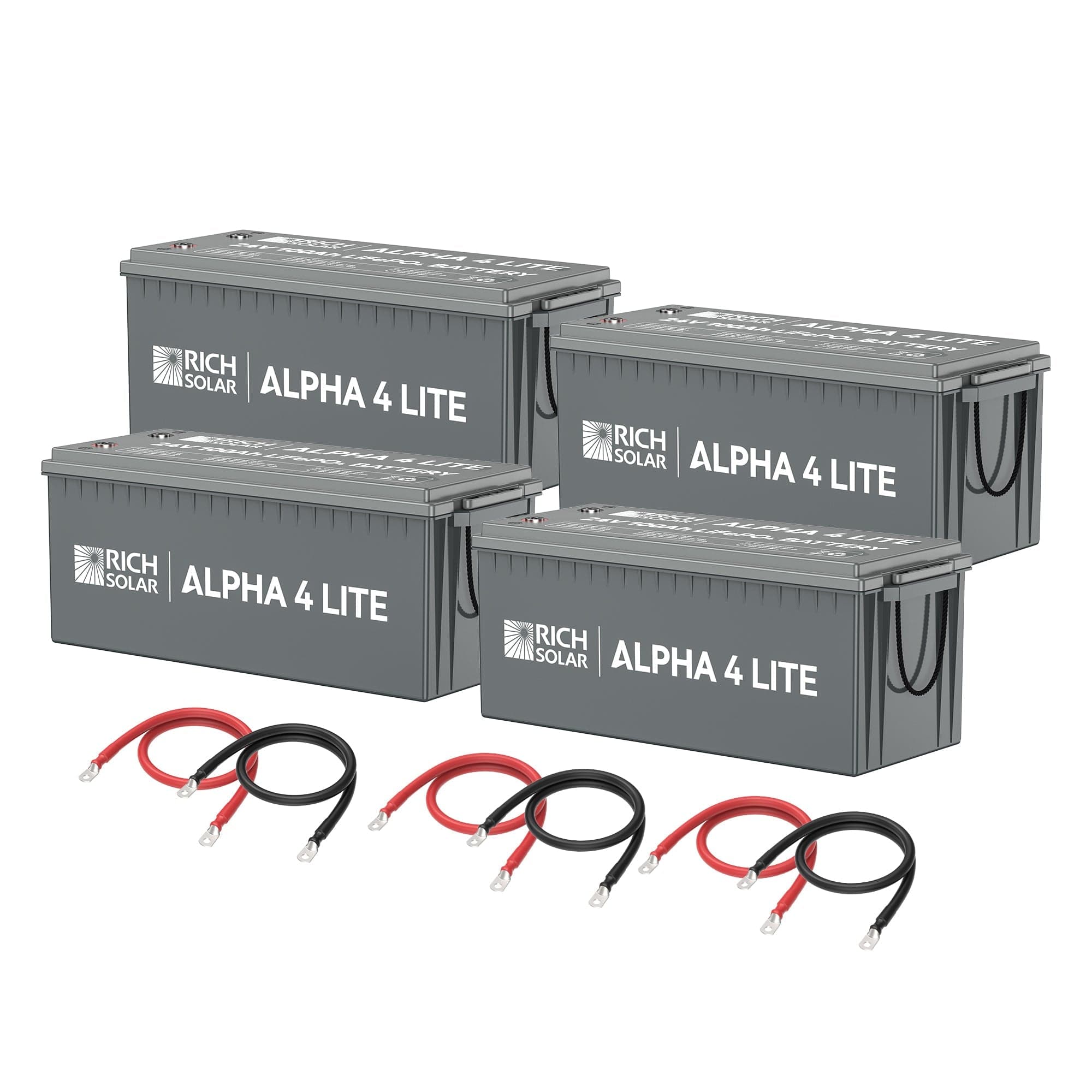
24V Battery System — The kit is designed around a 24V battery bank for off-grid and backup applications.
-
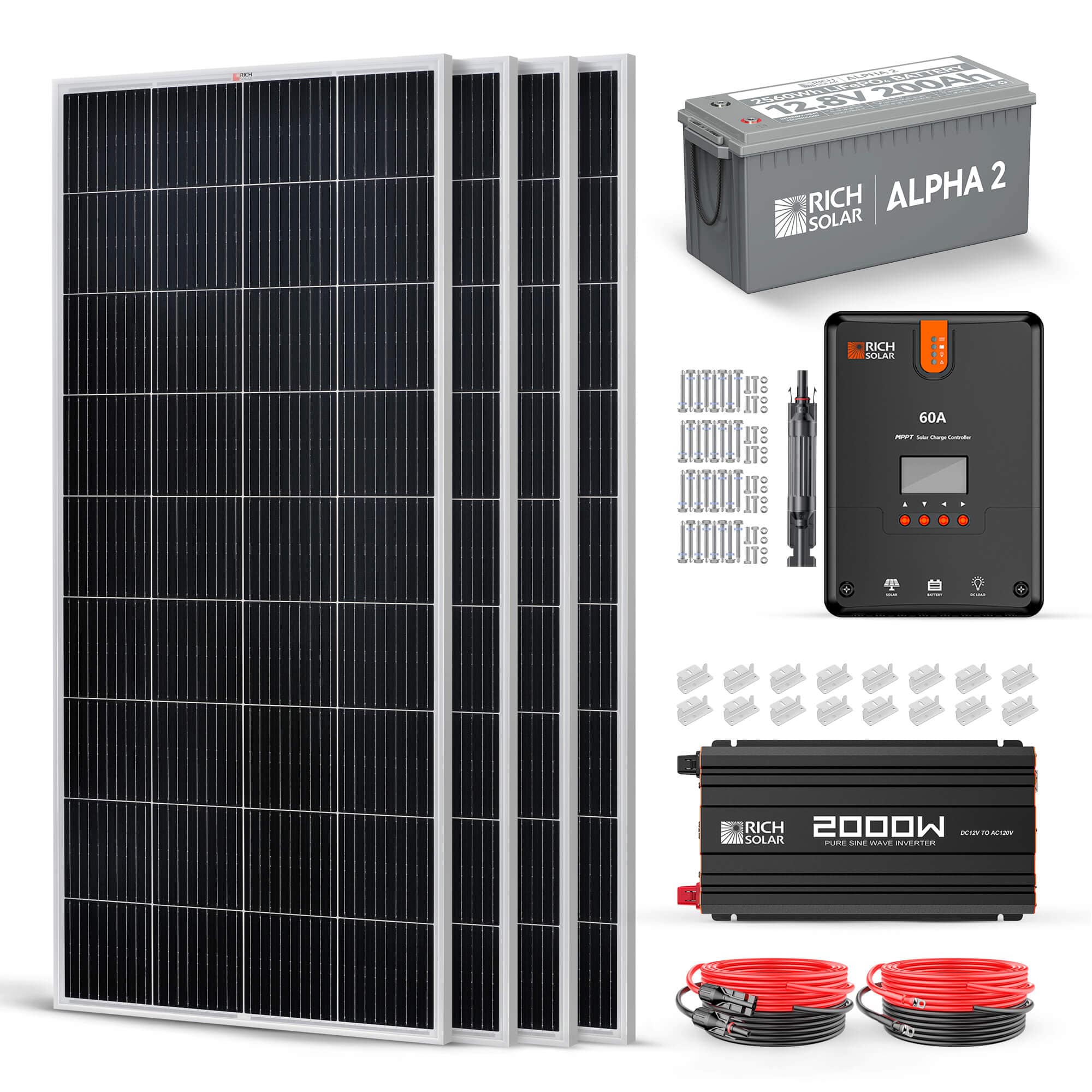
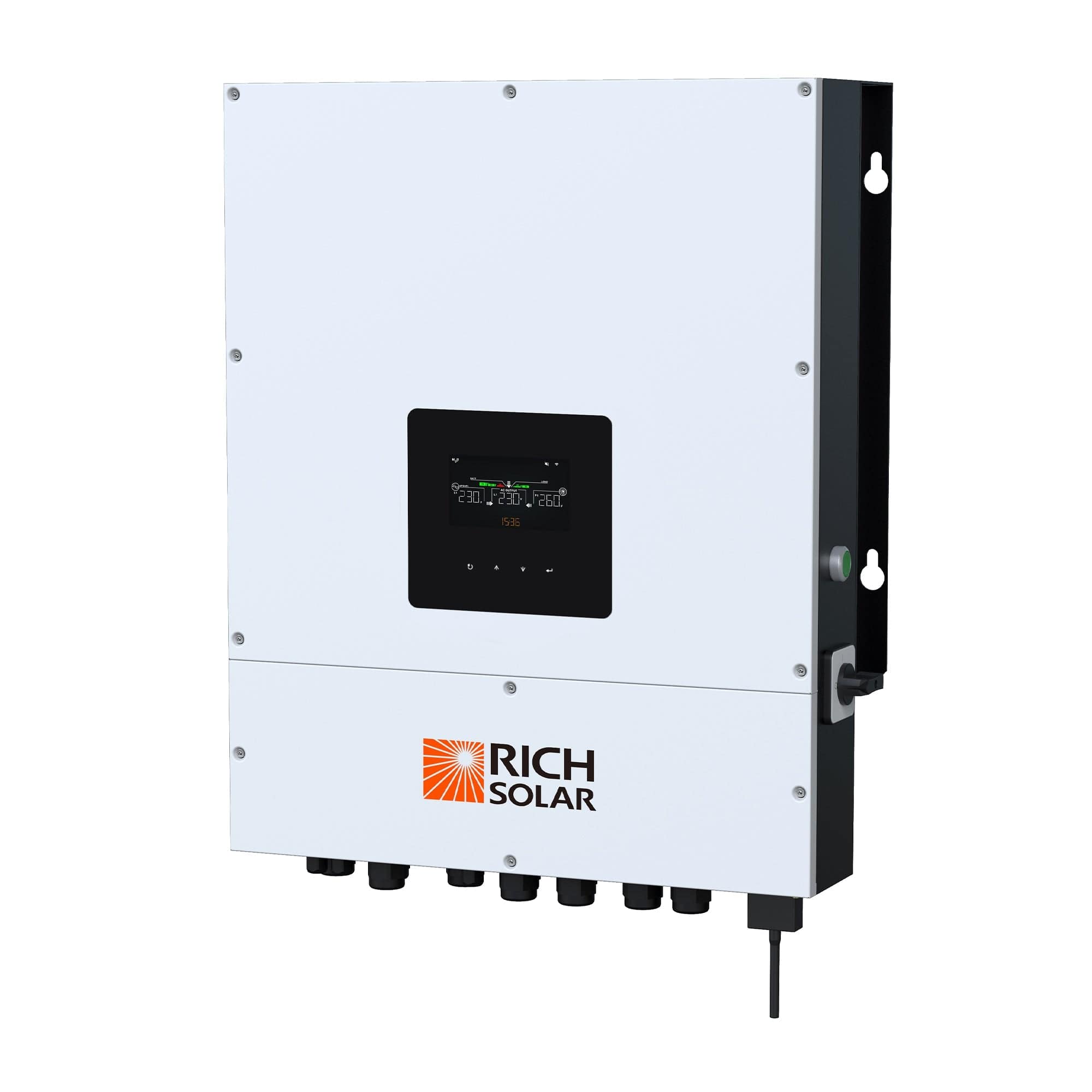
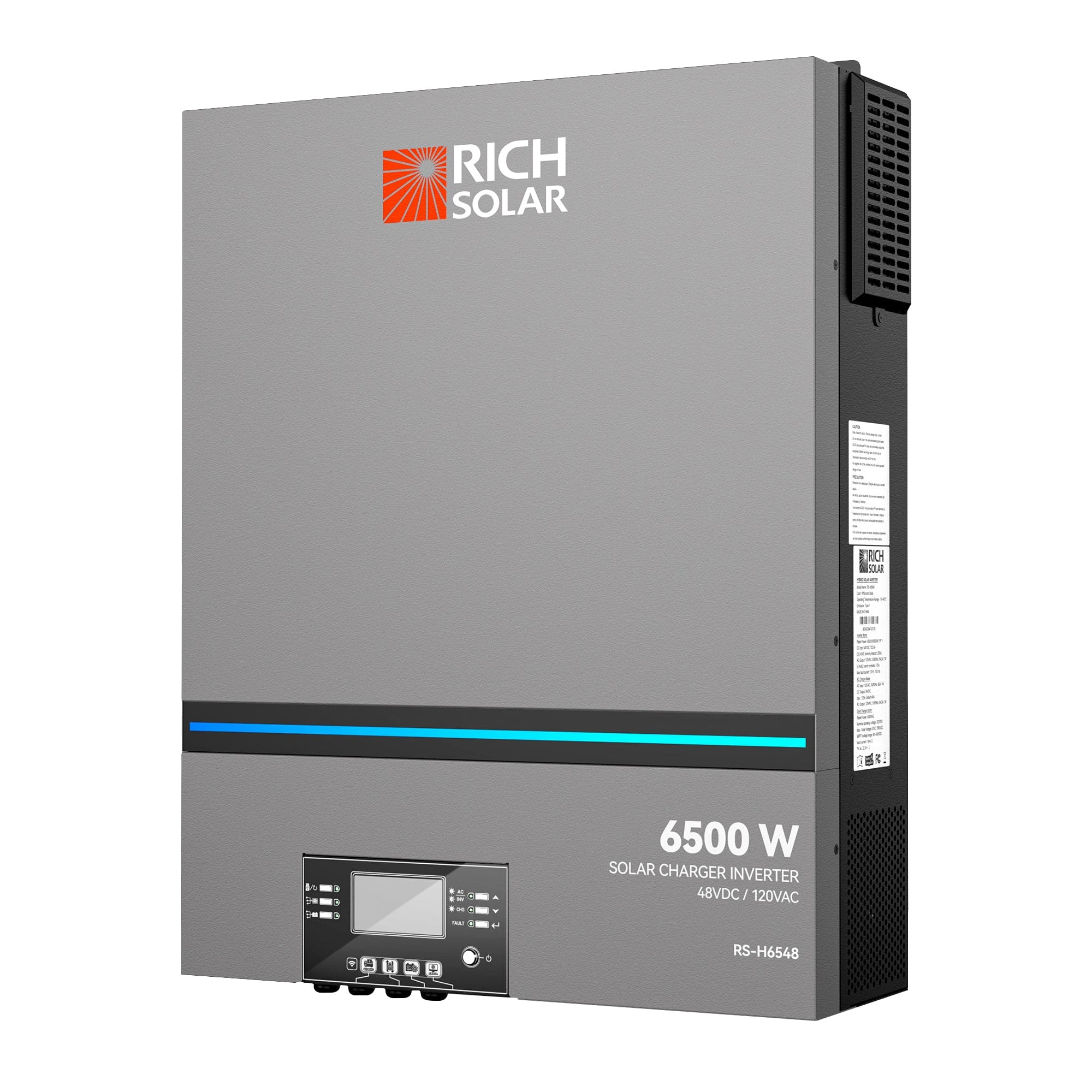
Listed 3,000W and 120V AC Configuration — The title lists a 3,000W rating and 120V AC. Confirm the inverter model, inclusion, and continuous output before sizing AC loads.
-
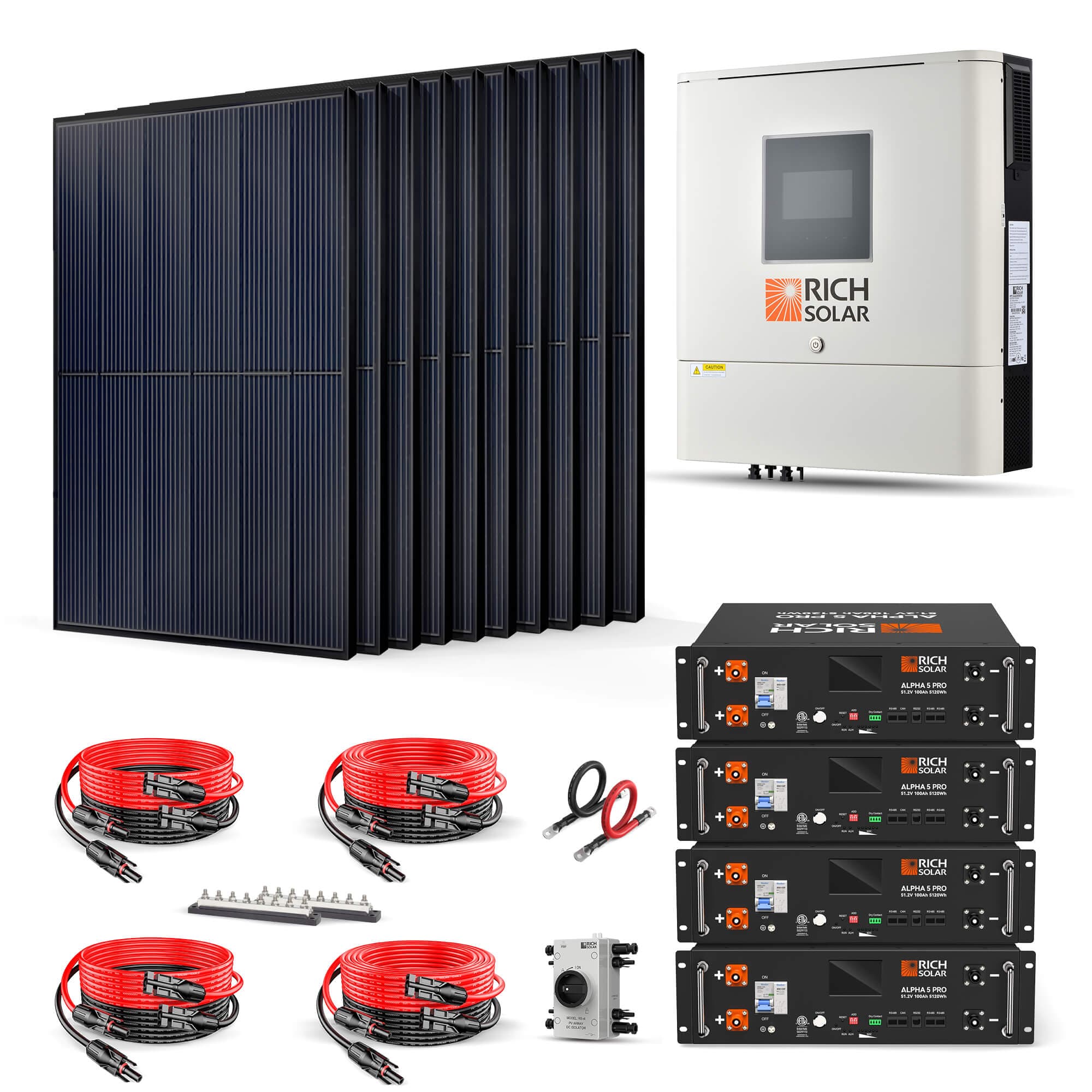
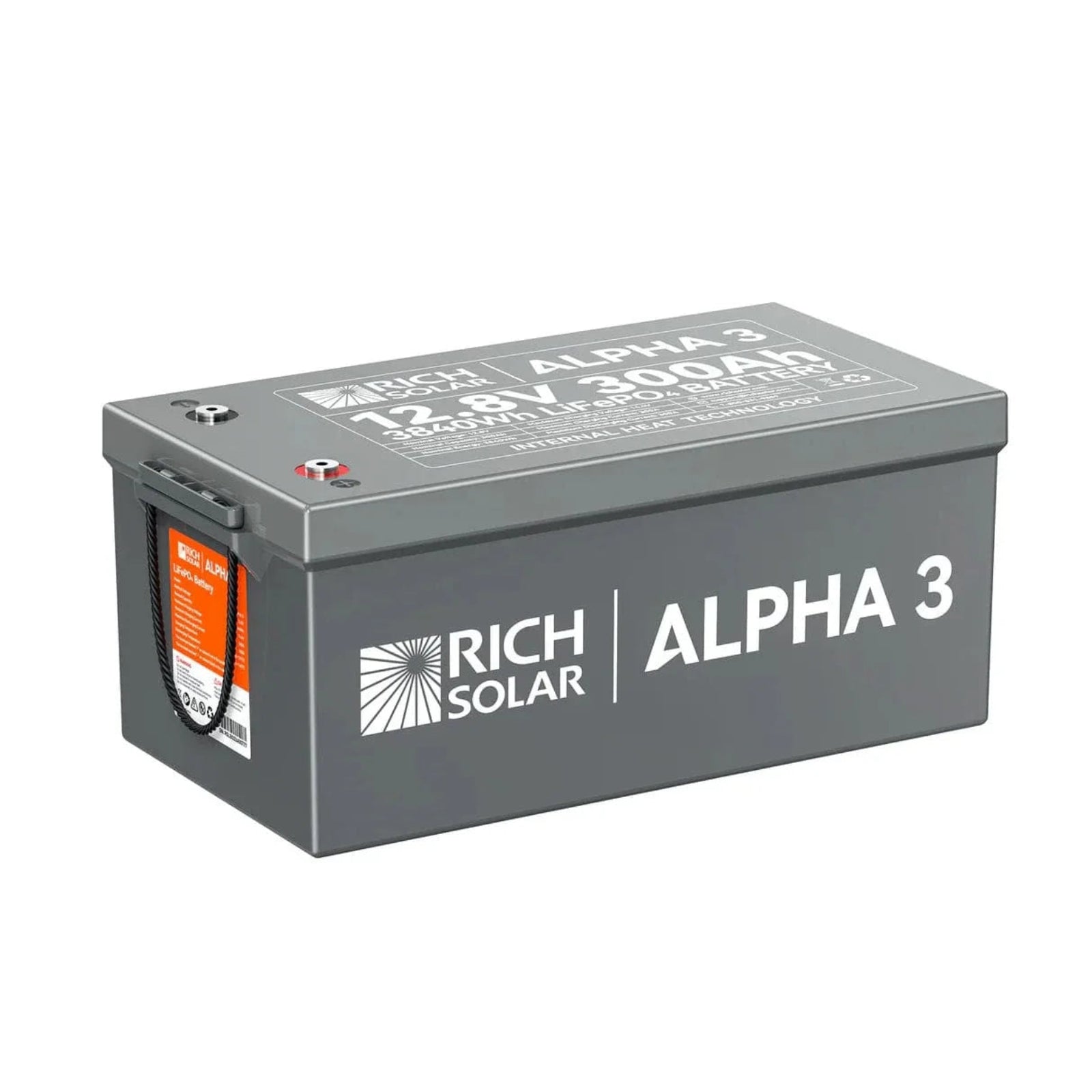
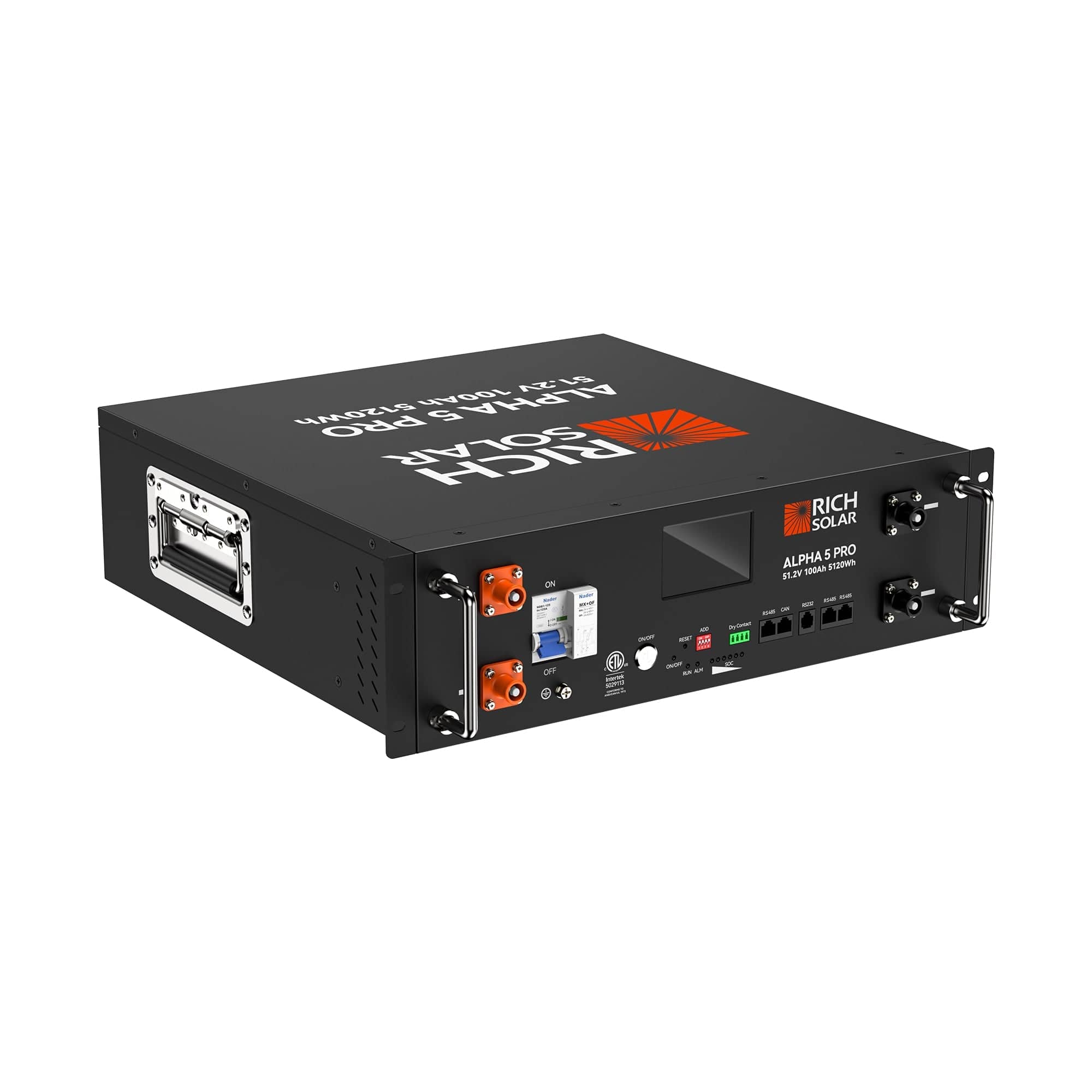
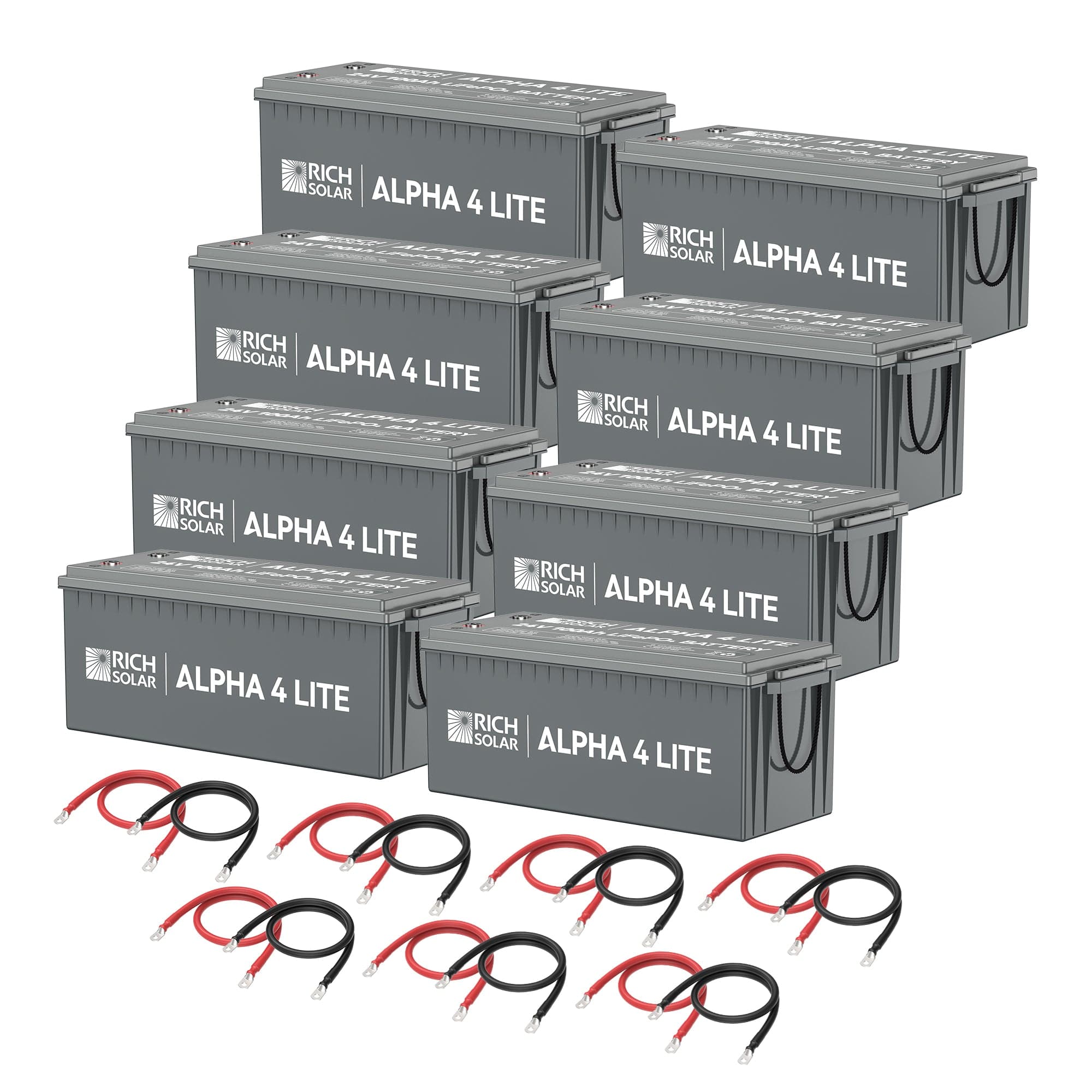
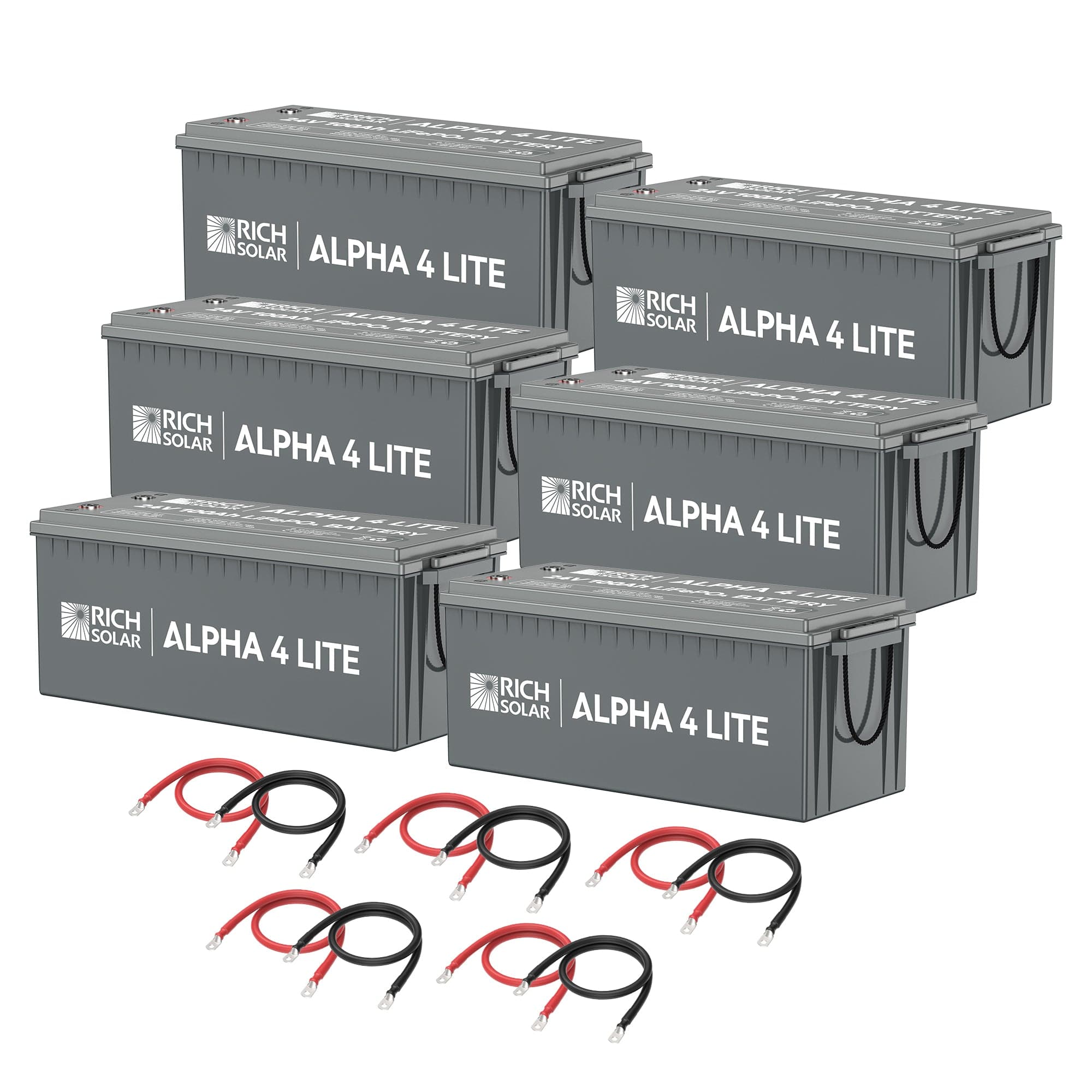
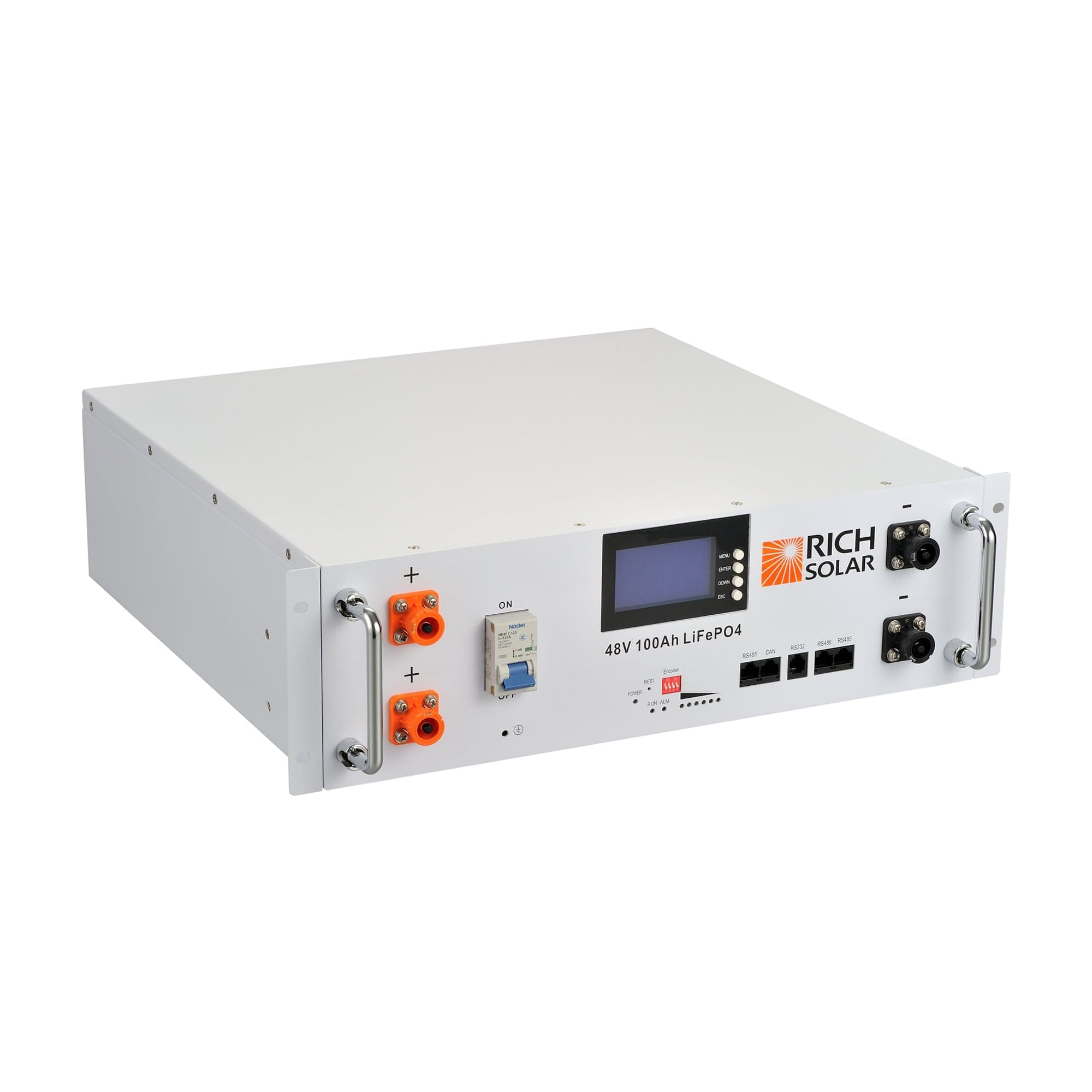
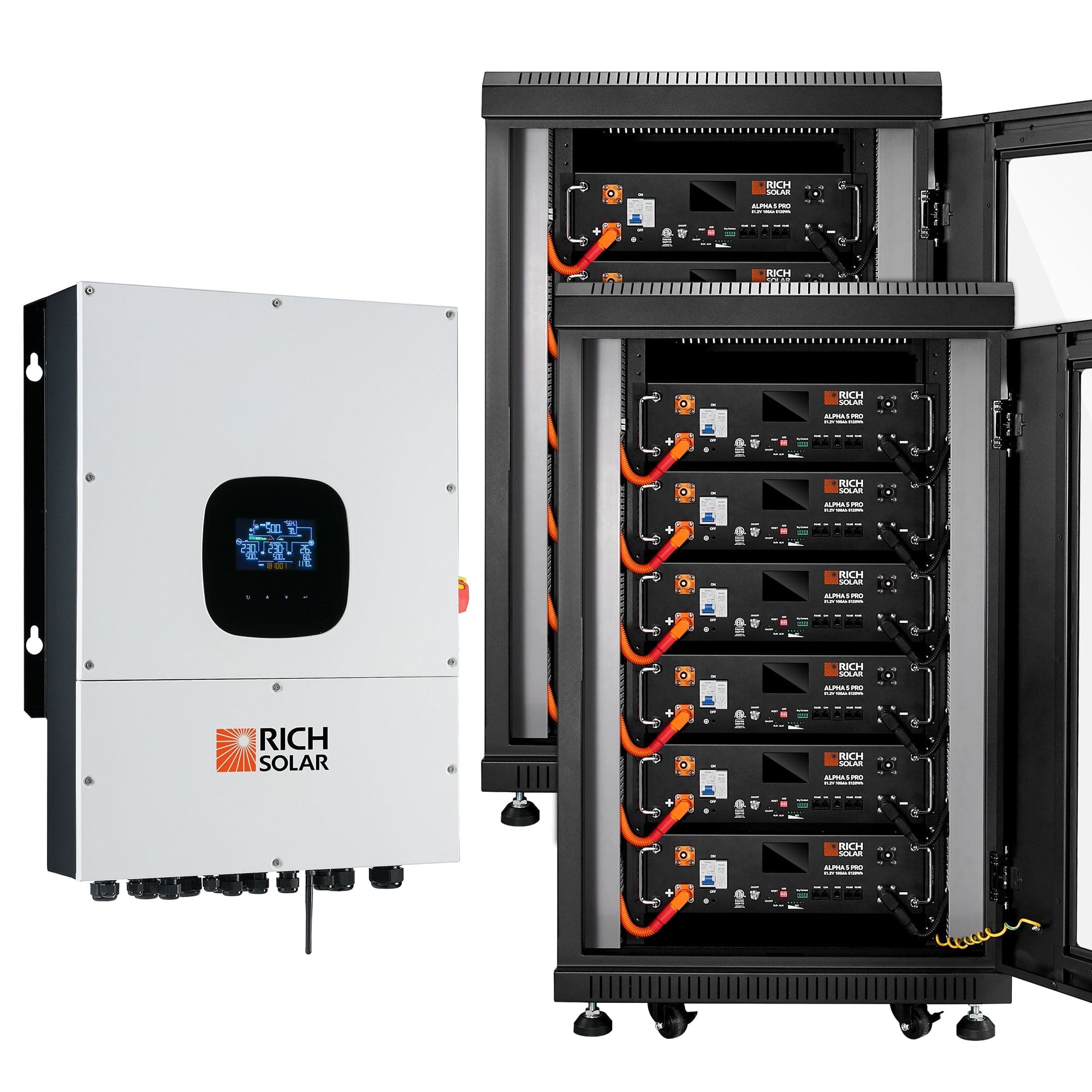
Listed 5.12 kWh Battery Storage — The title specifies 5.12 kWh of storage. Confirm the battery model, quantity, and usable energy before estimating runtime.
-
Charge Controller Protections — The controller is described as providing protection against overcharging and reverse polarity.
-
Included Mounting and Wiring Components — The description lists panel mounting brackets, cables, and fuses for the solar charging installation.
-
Expandable System Design — The system can accommodate compatible additions within the documented limits of the controller and other equipment.
Q&A
Q: What kit is this, and what is its SKU?
A: This is the RICH SOLAR 24V Complete Off-Grid Solar Kit with a 1.6 kW solar array and a 60A MPPT charge controller. Its SKU is RS-CK1600.
Q: What is the difference between the 1,600W and 3,000W figures?
A: The eight 200W panels total 1,600W of rated solar capacity. The title also lists 3,000W alongside 120V AC, but the description leaves the inverter model and rating type unspecified. Confirm what the 3,000W figure represents and whether the inverter is included.
Q: Does the kit include 5.12 kWh of battery storage?
A: The title lists 5.12 kWh. The detailed component list leaves battery inclusion, chemistry, model, module count, and usable energy unspecified. Confirm the battery configuration with the seller.
Q: What does the 60A MPPT controller do?
A: It regulates solar charging for a compatible battery bank and adjusts to changes in panel output. The description lists overcharge and reverse-polarity protection. PV input limits and supported battery profiles are unspecified.
Q: Can I run 120V appliances from this kit?
A: Running 120V AC appliances requires a compatible inverter. Confirm the inverter’s output voltage, continuous rating, and surge rating, then compare them with your equipment’s running and startup demands.
Q: How much electricity can the panels generate each day?
A: Daily energy production is unspecified. The array’s 1,600W rating is its combined rated power. Daily production varies with sunlight, shading, panel orientation, temperature, and system losses.
Q: What components and installation accessories are included?
A: The description lists eight 200W monocrystalline panels, one 60A MPPT controller, mounting brackets, cables, and fuses. Accessory quantities and cable lengths are unspecified. Confirm the inverter and battery contents with the seller.
Q: Can I add more solar panels or batteries later?
A: The kit is described as expandable. Maximum PV input voltage, current, array wattage, and approved battery bank configurations are unspecified. Check the documented limits before selecting additional equipment.
Q: Can I use this kit for an RV, cabin, or boat?
A: These are listed applications. Check the approved mounting surfaces, equipment clearances, and exposure limits for your installation. Component-specific ingress protection ratings are unspecified.
Q: How long can it supply backup power?
A: Estimated runtime is unspecified. It depends on the confirmed usable battery energy, starting charge, connected loads, inverter losses, and available solar charging.
Q: What are the component dimensions and net weights?
A: Dimensions and net weights are unspecified. Confirm the panel footprint and the measurements of the equipment supplied with your configuration before planning the installation.
Q: What are the shipping package dimensions and gross shipping weight?
A: Package dimensions, carton or pallet count, and gross shipping weight are unspecified. Ask the seller for the packaged measurements for the confirmed kit contents.
Q: What is the estimated delivery timeframe?
A: Delivery timing is unspecified. Check with the seller for an estimate for your destination.
Q: What warranty applies to the RS-CK1600?
A: Warranty periods and coverage are unspecified. Confirm the terms for the panels, controller, and any inverter or batteries supplied with the kit.
Maintenance Tips
-
Clean the Eight Solar Panels — Remove dust, pollen, and residue using the cleaning method and products recommended in the panel manual.
-
Check for New Shading — Look for branches, roof accessories, or stored equipment that have begun shading the array.
-
Inspect Panel Mounting Brackets — Check for shifted panels or loose fasteners after storms or vehicle travel and follow the mounting instructions for service.
-
Check PV Cable Routing — Look for chafing, pinching, or strain where cables cross brackets, panel frames, or enclosure openings.
-
Inspect Solar Connectors — Look for cracked housings, discoloration, or loose connections. Follow the equipment manuals’ shutdown instructions before servicing.
-
Check Fuses and Holders — Inspect accessible holders for damage or discoloration and use the replacement fuse ratings specified for your installation.
-
Keep the Controller Ventilated — Keep stored items and debris away from the 60A controller and maintain the clearances specified in its manual.
-
Verify Battery Charge Settings — If a battery bank is fitted, recheck its charging profile after replacing batteries or resetting the controller.
-
Compare Solar Charging Readings — If production falls under similar sunlight conditions, check panel cleanliness, shading, and controller fault indications.
-
Review Inverter Loads — If an inverter is fitted, compare new equipment’s combined running and startup demands with the documented inverter and battery limits.
-
Record Recurring Controller Faults — Note the fault indication and the charging conditions when it appeared, then consult the controller’s troubleshooting guide.


 Damage
 Loss
 Theft